
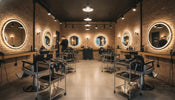
Barber Shop Equipment Checklist: The Complete Setup Guide
, by Buy Barber , 14 min reading time
, by Buy Barber , 14 min reading time
Schedule your barber shop setup today. This complete barber shop equipment checklist covers clippers, chairs, sanitation supplies, layout, and budget planning.
Opening a barbershop is more than finding a storefront and filling it with chairs. Your equipment decisions shape your workflow, service quality, sanitation routine, and first-year budget, so build the setup around how barbers will actually work from station to station.
A practical barber shop equipment checklist starts with professional clippers, trimmers, shavers, shears, stations, chairs, sanitation supplies, storage, and the plumbing and workspace required by your state. Plan the shop layout and compliance needs before ordering in quantity.
Start with the tools that create every service, then build out the stations, sanitation systems, and client areas around them. For dependable professional-grade options at wholesale prices, shop BuyBarber's clipper collection before you finalize your opening order. The cutting tools below are the foundation of a productive shop.
A dependable cutting station starts with the right mix of power tools, precision tools, and accessories. Plan for at least one primary clipper at every station, plus backup equipment that keeps the schedule moving when a tool needs cleaning, charging, or servicing.
Most shops need both corded and cordless clippers. Corded models deliver consistent power during long shifts, while cordless tools make it easier to move around the chair and maintain a clean station. The Andis Master Adjustable and Wahl Super Taper X are established options for everyday cutting, with example prices around $120. For barbers who want a flexible cordless platform, the BaBylissPRO FXONE and Gamma+ lines are worth considering. Across these professional brands, a realistic rough price range is about $120 to $270 per tool, depending on the motor, battery system, and included attachments.
Professional barbers typically invest $200 to $400 per power tool when building a serious kit. That higher budget can make sense for a shop because durable motors, replaceable components, and dependable runtime affect every service. Review the Andis clippers collection when comparing corded and cordless options, or consider professional combo sets when standardizing equipment across multiple chairs.
Pair each clipper with a professional trimmer for lineups, necklines, beard detailing, and tight finishing work. Keep spare blades, guards, charging cords, blade oil, cleaning brushes, and a protective case at the station. A spare battery or backup trimmer is especially useful in a busy shop where one interruption can affect several appointments.
Shears cover work that clippers cannot. Choose 5.5- to 6-inch shears for general cutting and look to longer shears when bulk cutting is a regular part of your service menu. Keep a dedicated thinning or texturizing shear available if your barbers perform scissor-over-comb work or remove weight from longer styles. Store shears in a case rather than loose in a drawer, and maintain them according to the manufacturer's sharpening recommendations.
For a broader equipment plan, review this guide to modern barber equipment. It helps connect your cutting tools with the sanitation, storage, and station supplies needed to keep each chair efficient and service-ready.
Furniture is not just a visual choice. The right setup supports client comfort, keeps tools within reach, and helps a barber move through each service without wasted steps. Build this part of your barber shop equipment checklist around durable, easy-to-clean fixtures rather than appearance alone.
Start with commercial hydraulic barber chairs that adjust smoothly and provide stable support during cuts, shaves, and longer grooming services. Each chair should face a styling station with a clear, well-lit mirror and enough counter space for the tools used most often. Plan storage into every station. North Carolina's new-shop inspection checklist asks whether each barber has a cabinet for equipment and whether the cabinet is made from an easily cleanable material. Review your own state's requirements before ordering fixtures, since regulations can vary.
Spacing matters as much as the chair itself. The same North Carolina checklist specifies at least 5 feet between the centers of adjacent barber chairs. It also calls for an unobstructed aisle of at least 4 feet in front of each chair. These clearances protect traffic flow, reduce collisions, and give both barber and client room to work comfortably. Verify the measurements on your floor plan before installation: review the inspection checklist.
A dedicated shampoo area should include a comfortable basin and a sink with hot and cold running water. Texas requirements identify a sink with hot and cold running water as necessary in areas where services are performed and supplies are dispensed. So confirm the applicable rule with your state board before opening. Keep the basin, plumbing, and surrounding surfaces easy to clean.
Place anti-fatigue mats at standing stations to make long shifts more manageable. A trolley or cart beside each station can hold guards, combs, brushes, sprays, and backup supplies without crowding the main counter. Finish the customer-facing area with practical reception furniture, including a stable desk, comfortable waiting chairs, and a clear path from the entrance to the work area. A thoughtful layout makes the shop feel professional while helping every service run more efficiently.
Sanitation is not an optional line item in a barber shop equipment checklist. It protects clients and barbers, supports a professional service environment, and gives you the supplies needed for health code compliance and state board inspections. Requirements vary by state, so confirm the rules that apply to your shop before opening.
Keep an EPA-registered disinfectant on hand for the tools and implements used during services. BARBICIDE is a familiar professional option, but whichever product you select, follow its label directions and your state board's requirements. You also need a wet disinfectant soaking container large enough to fully immerse every tool and implement used in a service. A shallow jar that leaves part of a comb, guard, or shear above the solution is not an adequate setup. Texas establishment equipment guidance lists both the soaking-container and running-water requirements.
Place disinfectant containers at each workstation for active use. The containers should clearly show their contents and include instructions for use. Clear labeling helps prevent chemical misuse and makes your sanitation process easier to verify during an inspection. Keep products closed, clean, and positioned where they do not create a spill or cross-contamination risk.
Build a clean-linen system before your first client arrives. Store clean towels separately from used towels, and provide an appropriate receptacle for used towels and other soiled linens. Add clean capes, neck strips, and gloves to every station's supply plan. Neck strips create a hygienic barrier between the client's skin and the cape, while gloves support safe handling when cleaning tools or working with disinfectants. Replenish these consumables consistently instead of waiting until a station runs out.
Service areas must have a sink with hot and cold running water where services are performed and supplies are dispensed. Include that connection in your shop layout and inspection planning, rather than treating a remote utility sink as an afterthought. Pair it with washable, organized storage so clean supplies remain protected and used items move directly into their designated receptacles. This sanitation setup helps your team follow the same safe routine at every chair and keeps the shop prepared for state board review.
A realistic budget keeps your barber shop equipment checklist focused on what supports daily service, rather than what simply looks impressive in a catalog. Plan by station, then account for shared supplies, replacement tools, and the number of chairs you intend to open with.
Professional clippers commonly cost about $120 to $270 each, while trimmers generally run $60 to $100. Quality shears can range from $40 to $150 or more, depending on steel, design, and intended use. A multi-chair shop may need duplicate tools at every station, plus a backup clipper and trimmer so one equipment failure does not interrupt a full day of appointments.
For a new shop, total startup equipment costs can range from approximately $3,000 to $15,000. The final number depends on shop size, chair count, furniture, tool quality, sanitation supplies, and whether you purchase new or used fixtures. Build the budget around reliable professional equipment first, then add upgrades as revenue allows.
Buying wholesale from an authorized dealer such as BuyBarber can save significantly compared with retail purchasing, especially when you are outfitting multiple stations. Professional combo sets can also simplify purchasing and create savings when you need coordinated clipper and trimmer coverage.
BuyBarber's Best Price Guarantee gives owners additional protection when comparing eligible prices. The 365-day return policy provides extra flexibility if a qualifying purchase is not the right fit. While free shipping on orders of $50 or more can reduce the cost of recurring supply orders. Verified professionals can also ask about the BuyBarber Trade Program for business purchasing support and wholesale-oriented savings.
Reserve part of your budget for blades, guards, disinfectant, towels, capes, neck strips, and eventual repairs or replacements. Owners managing two to ten chairs also benefit from standardizing key tools across stations. Consistent equipment makes training easier, simplifies maintenance, and helps every barber deliver the same level of service.
A well-planned floor plan helps your team move naturally between the station, chair, tools, and client. Start by drawing an imaginary line from the workstand through the barber chair. Keep that line at least 8 feet long so the barber has enough room to work without feeling boxed in or forcing the client into a cramped position.
Leave an unobstructed aisle of at least 4 feet in front of each chair. This clearance gives barbers space to step around the client, reposition during a cut, and move safely when the shop is busy. It also improves the client experience by preventing carts, cords, and waiting customers from interrupting the service. Measure the aisle with the chair reclined or extended, not only in its upright position.
Lighting should illuminate the client's face and hair evenly from multiple angles. Avoid relying on a single bright fixture directly above the chair, which can cast shadows across the hairline and make detail work harder. Position task lighting so it supports the barber's working side without shining into the client's eyes. Mirrors should be centered with the chair and mounted at a comfortable viewing height, allowing the client to see the finished cut without leaning or twisting.
Arrange clippers, trimmers, guards, combs, shears, disinfectant, and towels according to how often you use them. The tools used throughout nearly every service should sit closest to the dominant hand, while backup supplies can go in a drawer or lower shelf. Keep cords routed away from walking paths and return each tool to the same location after use. This small habit reduces searching, protects equipment, and keeps the station looking professional.
For a more detailed guide to organizing the work area, review this barber station setup resource. Good workflow design reduces fatigue over a full day and can increase the number of haircuts you deliver without making the service feel rushed. As you finalize your barber shop equipment checklist, evaluate every item by whether it supports safe movement, precise work, or a comfortable client experience.
A complete setup covers more than chairs, clippers, and sanitation supplies. The business systems behind your shop affect how efficiently you collect payment, manage appointments, reorder inventory, and serve clients. Add these operational essentials to your barber shop equipment checklist before opening day.
A point-of-sale (POS) system gives you a central place to process card payments, record sales, and track inventory. Choose a system that can distinguish retail products from service revenue, monitor low-stock items, and provide sales reports. Depending on the features, a POS subscription can cost approximately $60 to $200 per month.
Online booking software is equally important for a modern shop. Clients should be able to view available services, select a barber, choose a time, and receive reminders without requiring a phone call for every appointment. Confirm that the booking platform works with your calendar and supports deposits or cancellation policies if your business needs them.
Before signing off on your opening plan, check your state and local requirements for a business license, barber board registration, shop permits, and individual practitioner credentials. Rules differ by location, so verify requirements directly with the appropriate state barber board and local agencies rather than relying on a generic checklist.
Commercial liability insurance can help protect your business if a client is injured or property is damaged. Discuss coverage with a licensed insurance professional and confirm that the policy fits your services, employees, equipment, and premises. Also budget for a reliable internet connection. An unstable connection can interrupt card payments, online bookings, music, security systems, and inventory updates at the worst time.
A professional website should show your services, location, hours, contact details, and booking link. It can also support online ordering for retail products and supplies. BuyBarber provides an online destination for professional barber equipment and supplies, making it easier to replenish tools and shop essentials.
Claim and maintain your Google Business Profile so nearby clients can find accurate information, request directions, and read reviews. Keep your social media profiles active with finished cuts, shop updates, and appointment information. As a planning estimate, set aside a few hundred dollars for initial software subscriptions and licensing fees. Then review those recurring costs alongside rent, payroll, insurance, and product restocking.
Start with barber chairs, styling stations, mirrors, clippers, trimmers, shears, combs, a shampoo area, towels, capes, neck strips, and a dedicated sanitation setup. Add storage carts, reliable lighting, and a client waiting area so each station supports a complete service from consultation through cleanup.
A beginner should have adjustable clippers for bulk removal and fades, a detail trimmer for lines and edging. A foil shaver for finishing, cutting shears, combs, brushes, and a sturdy cape. A mix of corded and cordless tools gives the shop dependable power and flexibility during busy schedules.
The total depends on the shop size, number of chairs, furniture quality, and brand choices. Professional clippers cost $120-$270 each, trimmers $60-$100, and quality shears $40-$150. A new shop can expect startup equipment costs from approximately $3,000 to $15,000 depending on size and quality level.
Most shops need a barber chair for each station, a styling station with a mirror, tool storage, and a shampoo station. Include reception or check-in furniture and seating for waiting clients. Anti-fatigue mats and organized carts can also improve comfort and workflow during long service days.
A well-chosen equipment setup helps you create an efficient station and deliver consistent service from your first client onward. When you are ready to build your professional kit, shop BuyBarber's full catalog of clippers, trimmers, shears, and barber station equipment. You can also call (702) 900-9972 if you need help choosing the right tools for your shop.


