
Best Easy-to-Use Hair Clippers: 2026 Buyer’s Guide
, by Buy Barber , 16 min reading time
, by Buy Barber , 16 min reading time
A good home haircut usually comes down to three things: control, consistency, and a clipper that does not fight back. The best models for beginners feel easy-to-use from the first pass, while stronger picks handle thicker hair, tighter fades, and frequent touch-ups without getting hot or dragging. This guide narrows the field by comparing comfort, cleanup, battery life, guard quality, and cutting power so the right clipper matches the job instead of adding frustration.
The safest starting point for most people is a balanced cordless clipper with solid guards and a predictable motor. Beginners usually benefit from forgiving, easy-to-use models that cut smoothly without demanding a barber’s technique, while regular users may want a stronger all-around tool with better battery life. For very short hair, compact designs and close-cut options matter more than extra accessories. The main choice is whether constant power from a cord or the freedom of cordless handling will make home cuts cleaner and calmer.
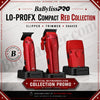
These picks cover the most common home-cut needs without making readers sort through a wall of specs. The best overall model is the one that balances power, comfort, and dependable guards. The best budget option keeps trims simple and affordable. The best cordless pick stands out for movement and battery performance. The best compact pick is ideal for self-cuts, kids’ hair, and tight angles around the ears and neckline.
| Pick | Best For | Standout Reason |
|---|---|---|
| Best Overall | Most home haircut routines | Balanced cutting power and comfort |
| Best Budget | Touch-ups and casual trims | Keeps things simple without feeling flimsy |
| Best Cordless | Flexible self-cuts and shared use | Freedom of movement with practical battery life |
| Best Compact Pick | Self-cutting and tight spaces | Smaller body improves grip and visibility |
The best overall clipper is the one that feels steady in the hand and cuts evenly through ordinary home use. A reliable guard set, a comfortable grip, and enough power for thick sections matter more here than flashy extras. This type of clipper works well for routine buzz cuts, cleanup around the sides, and monthly maintenance because it stays predictable from start to finish.
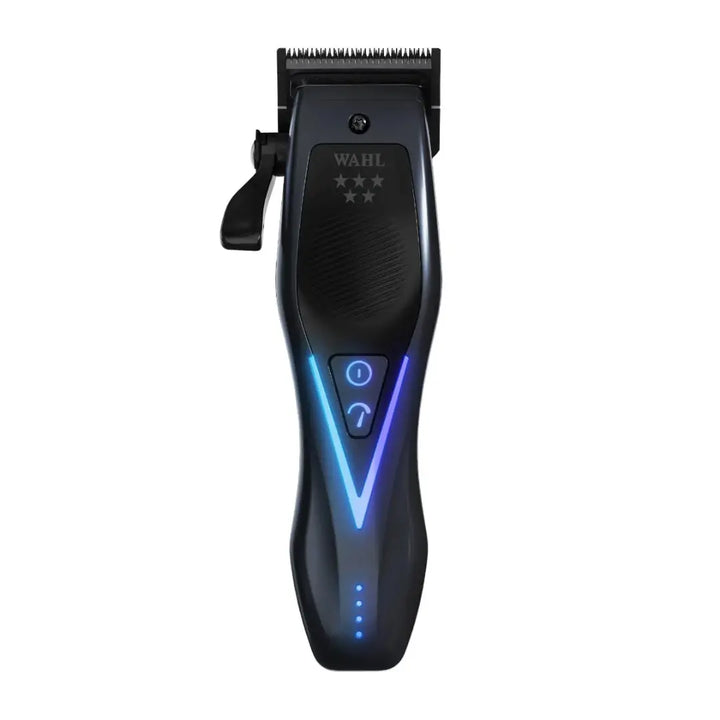
A strong budget pick should keep trimming simple instead of trying to imitate a salon tool. Lower-cost models can still handle basic home haircuts well, especially if the guards are secure and the blade does not snag. The trade-off is usually fewer premium features and less refinement, which is fine for touch-ups, short trims, and occasional use more than dense full-head cuts.
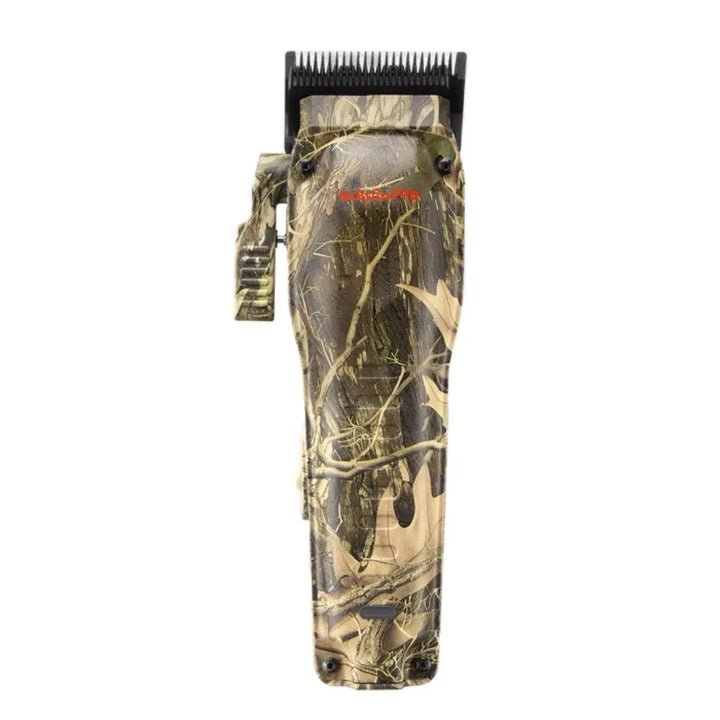
Cordless clippers are easier to move around the head, which helps a lot during self-cuts and shared family use. The best versions combine a long battery life with a motor that stays consistent as charge drops. Quick charging is nice, but runtime matters more if the clipper will be used for fades, thick hair, or several haircuts in a row.
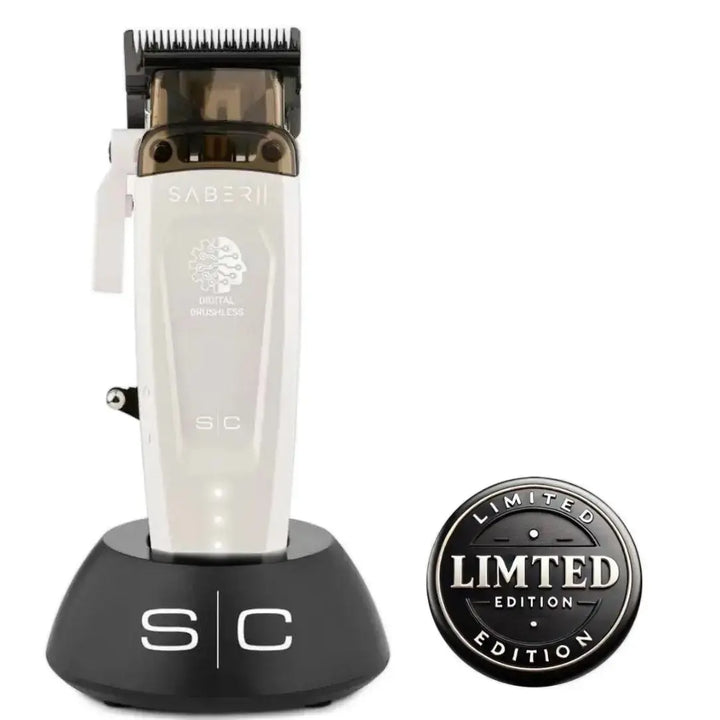
A compact hair clipper makes the most sense when visibility and control matter as much as cutting power. Smaller bodies are easier to maneuver behind the head and around the ears, and they often feel less intimidating for beginners. The trade-off is that compact models may offer fewer guards or less flexibility for longer lengths, so they work best when short, controlled cuts are the priority.
These rankings were built from hands-on testing across different hair types, lengths, and skill levels, because a clipper that looks strong on paper can feel awkward in real use. Each model was checked for cutting power, noise, comfort, guard quality, and how easy it was to clean after a haircut. The goal was to judge how each clipper performed during real home sessions, not under ideal demo conditions.
Clippers earned better marks when they cut smoothly through thick, fine, straight, and curly hair without repeated passes. Strong models stayed steady through dense sections and did not tug at the ends. We also looked at whether the guards stayed locked in place, whether length changes were easy to understand, and whether the result looked even enough to trust for future cuts.
Home haircuts rarely happen in perfect lighting with a full barber setup. Hands get tired, mirrors limit visibility, and awkward angles make balance more important than raw specs. Comfort, weight, and cleanup all affect whether a clipper feels like a helpful tool or a chore, especially for users doing their own cuts or trimming a child’s hair at the sink.
The easiest clippers reduce decision fatigue. Clear length settings, a comfortable grip, and low vibration help the user focus on the haircut instead of the tool. Beginner-friendly designs usually feel intuitive right away, and that confidence matters almost as much as motor strength when a haircut is happening in a bathroom mirror.
A balanced body helps steady shaky hands and makes it easier to keep the blade flat against the head. Lightweight clippers can feel nimble, while heavier models sometimes feel more planted and less jittery. For self-cutting, a palm-friendly shape usually matters more than a bulky pro-style shell because it lets the wrist turn naturally in tight spaces.
Switches should be easy to find, and guard labels should be obvious enough that length choices do not turn into guesswork. Color-coded guards or clear numbering save time and reduce mistakes when moving from one section to another. Fewer confusing parts usually means fewer uneven spots, which is why simple controls are often better than complicated feature lists.
Loud, buzzy motors can make kids nervous and can also make first-time users hesitate. Lower vibration helps the hand stay steady during longer trims and makes the clipper feel less aggressive. A quieter, calmer tool is not just more pleasant; it tends to encourage cleaner, more confident movement over the whole haircut.
Beginners usually do better with clippers that forgive small mistakes rather than rewarding advanced technique. The best starter models are predictable, easy to set up, and simple to clean after the job is done. Guard reliability matters more than high-end customization because most first-time users need consistency before they need advanced control.
Clearly labeled guards help prevent the classic problem of mixing up lengths and cutting more off than intended. Strong attachment points are just as important, since a loose guard can create uneven results quickly. Simpler kits often beat pro-style setups here because there is less to manage and fewer opportunities for confusion during the first few home cuts.
A beginner-friendly clipper should move through hair at a steady pace without snagging or slowing down in denser patches. Smooth, even cutting reduces the need for constant correction, which is where many new users get frustrated. Consistency matters more than customization at this stage, because a tool that behaves predictably is easier to learn.
Very short styles need close cutting, stable control, and enough visibility to keep lines clean. Buzz cuts, neck cleanup, and short fades all benefit from a clipper that can start low and stay consistent at shorter settings. For the closest results, a clipper can handle a lot, but it does not fully replace a dedicated trimmer for razor-close edge work.
The shortest useful settings are usually found on clippers with very short guard sizes or adjustable blades. Zero-gap capability can improve precision, especially for tight fades and sharper outlines, but it also demands more care. Ultra-close shaving around the edges may still call for a trimmer, since a clipper is built more for cutting hair than for finishing skin-level details.
Short-hair users tend to care about fast visibility and clean passes more than long attachment options. Buzz cuts, sideburn cleanup, and neckline maintenance are ideal clipper jobs, especially when the body is compact enough to control easily. For full fade work, the clipper needs to blend smoothly at multiple lengths; for simple short trims, stability matters more than stylist-level range.
A compact hair clipper is especially useful when the haircut happens in a mirror and one hand is always working at an awkward angle. Smaller models are easier to guide around the back of the head, near the ears, and along the neckline. In that setting, comfort and maneuverability often matter more than accessory count.
A smaller body usually feels easier to hold for long enough to finish a self-cut without wrist fatigue. Lighter tools can also feel safer, especially for users who are still learning how the blade moves across different parts of the head. In real home use, compact shape often means better visibility and fewer awkward reaches.
Compact models can sacrifice guard variety or long-hair flexibility, so they are not always the best all-around option. If the main goal is self-trimming, that trade-off is often worth it. If one clipper needs to cover family cuts, longer styles, and more advanced blending, a larger all-purpose model may be the better long-term choice.
The better choice depends on whether uninterrupted power or free movement matters more during a haircut. Corded clippers are usually better for longer sessions, while cordless models are easier for beginners, travelers, and anyone cutting hair in a cramped bathroom. Both can work well, but they solve different frustrations.
Corded clippers keep power steady from the first pass to the last, which is especially useful on dense hair or during longer cutting sessions. There is no battery anxiety, no charging schedule, and no sudden slowdown halfway through a fade. That reliability is a major reason many professional barbers still prefer cords for high-volume work.
Cordless designs make it easier to move around the head without dealing with cable drag. That freedom matters during self-cuts, shared family trims, and travel grooming. Battery runtime should be checked carefully before buying, though, because a cordless clipper is only as convenient as its battery life allows.
For cordless shoppers, battery life is one of the most practical numbers on the box. A short trim does not need much runtime, but thicker hair, multiple users, and full haircut sessions do. It is smart to look at recharge time and power indicators at the same time, not separately.
Long battery life helps when a haircut takes more than a quick cleanup, especially if dense hair or fade work requires extra passes. Touch-ups can get by with less runtime, but full grooming sessions are more forgiving when the battery is generous. A good cordless clipper balances runtime and recharge speed so it does not become a planning project.
Clear battery indicators prevent the annoyance of a clipper dying in the middle of a cut. USB charging adds convenience for travel, desk storage, and shared spaces where an extra charger may be a hassle. Slow-charging models can still be worth buying if the runtime is strong, but the wait should be part of the decision.
A powerful motor matters most when the hair is thick, coarse, or curly and the goal is to keep moving without tugging. Stronger motors help the clipper stay smooth under load, which means cleaner passes and fewer repeated strokes. The practical result is less frustration and a more even-looking cut.
Extra motor strength is most valuable when a clipper has to work through dense sections quickly. Weak motors tend to slow down, which can create snagging and uneven length. A stronger motor gives more confidence, especially for users who want a home haircut to feel efficient instead of cautious.
Guard quality shapes how many styles a clipper can handle and how confident the user feels while cutting. A large accessory count is less useful than a small set of stable, well-labeled guards that stay put. For fades and tapers, small adjustment steps matter because they make blending much easier.
Secure guards cut better than flimsy ones, even if the kit includes fewer total pieces. Labels should be clear enough to prevent accidental length jumps, especially during home cuts where attention is split between mirror and hand position. Strong guard attachment improves both consistency and safety.
An adjustable lever lets the user fine-tune cut length without constantly swapping guards. That small adjustment is useful for blending edges and creating cleaner transitions in a taper or fade. Intermediate users often get the most value here, since it expands control without making the haircut overly complicated.
Good maintenance keeps a clipper cutting smoothly and extends its useful life. Hair buildup can create heat, drag, and dull performance, so the cleaning routine should happen after every haircut. First-time owners usually only need a few simple habits to keep the tool in good shape.
Brush out the hair, wipe down the body, and oil the blade on a regular schedule. That small routine prevents buildup from getting trapped near the cutting edge and helps the motor stay comfortable during use. Repeating the same cleanup steps after each cut makes the clipper easier to trust next time.
Even a budget clipper can last a long time if the blade is cleaned and lubricated properly. Rust prevention matters, especially in humid bathrooms, and careless storage can shorten the life of a good tool quickly. Harsh cleaners should be avoided because they can damage finishes and weaken moving parts.
The right choice depends on hair type, cutting style, and how often the clipper will be used. Thick or curly hair needs more power and sturdier guards, while fine hair can usually be handled with a lighter, simpler design. Matching the tool to the most common haircut task is the easiest way to avoid regret later.
People cutting thick, coarse, or curly hair should prioritize stronger motors and secure guards. Fine hair usually does not need as much force, so a lighter clipper can feel easier to manage. The best match is the one that suits the hair being cut most often, not the rare edge case.
Compact models are the smarter choice for self-cuts and tight spaces, while cordless clippers shine when flexibility matters. Budget picks make the most sense for maintenance trims and value-first shoppers who do not need advanced features. If home haircutting becomes frequent, upgrading to a stronger and more comfortable model usually pays off.
The questions below come up often because short hair, compact bodies, and close cutting all sound similar until the details matter. Quick answers help narrow the field before buying.
The best compact hair clipper is usually the lightest, easiest-to-hold model with secure guards and quiet operation. Self-cutting comfort matters more than a huge accessory kit. A smaller body with good grip is the safer bet for tight angles and mirror work.
The best clippers for very short hair are models with close cutting, stable guard control, and adjustable blades. Those features help with buzz cuts and short blends. For ultra-close shaving and sharp edges, a trimmer may still be the better finishing tool.
The shortest result depends on the guard size, blade adjustment, and whether the model supports zero-gap settings. No-guard or zero-gap use usually creates the shortest clipper cut. The exact length varies by design, so the manual matters here.
A good mini clipper for shaving should be easy to control, comfortable to grip, and quiet enough for close grooming. It is especially useful for neck cleanup and detail work. For full head cuts, a mini clipper may be more limited than a standard-size model.
Before checking out, it helps to confirm the basics that actually affect haircut quality. Comfort, power, battery life, and guard quality should come first because they determine whether the clipper is easy-to-use in real home conditions. Extras can be helpful, but they should not distract from the core job.
Look for sturdy guards, a reliable motor, an easy grip, and simple cleanup. Those four features cover most of what makes a clipper worth owning. Flashy add-ons do not matter much if the tool pulls hair, feels awkward, or takes too long to maintain.
Battery indicators, carry cases, USB charging, and taper levers can make ownership easier. Those extras are useful when they support the haircut, not when they replace performance. Paying more only makes sense if the added feature will be used regularly.
The best hair clipper is the one that matches the haircut, the hair type, and the person holding it. Beginners usually do best with simple guard systems and forgiving performance, while very short styles benefit from close cutting and strong visibility. Compact models help with self-cuts, cordless models help with movement, and the most dependable all-around picks stay comfortable enough to use again next month.


