

How to Prevent Razor Bumps: Barber-Approved Shaving Techniques
, by Buy Barber , 17 min reading time
, by Buy Barber , 17 min reading time
Get a smooth, bump-free shave every time. Learn how to prevent razor bumps with professional barber techniques for prep, shaving, and post-shave care.
Painful red bumps that appear after a fresh shave often signal hair that has curled back into the skin instead of growing out. Knowing how to prevent razor bumps starts with changing how you prepare your skin and handle your blade. These painful spots, known as pseudofolliculitis barbae, occur when curly or coarse hair grows back into the skin instead of straight out from the pore. This common problem affects most people with thick or coarse hair patterns who shave too close to the surface. You can stop this cycle by using a warm towel to soften hairs. Applying pre-shave oil to create a smooth layer, shaving with the grain, and using a sharp, clean blade every time. Following a professional barber routine protects your follicles and keeps your face smooth every single day.
Ready to upgrade your shaving kit today?
Stock up on professional-grade razors, shave creams, and post-shave balms that barbers trust. Your skin deserves tools that work as hard as you do.
Shop Professional Shaving SuppliesAnswer: Razor bumps, or pseudofolliculitis barbae, form when a hair is cut so short that its sharp tip curls back and penetrates the skin as it grows. The body treats this trapped hair as a foreign object, triggering redness, swelling, and pain. People with curly or thick hair are most at risk because their natural hair curvature makes re-entry into the skin far more likely.
To find the best ways to keep your skin clear, you must first learn why these bumps form and why they keep coming back. Knowing the cause is the first step toward permanent relief.
The medical name for razor bumps is pseudofolliculitis barbae (PFB). These bumps happen when a hair is cut very short and then curls back as it grows. Instead of growing out of the skin, the hair tip pokes back into the skin surface. Your body sees this hair as a foreign object and tries to fight it. This causes the redness, pain, and swelling that we know as razor bumps.
Most people see these bumps on the face and neck, but they can appear anywhere you shave. While they may look like a small rash at first, they can stay on your skin for a long time. In some cases, razor bumps can last for up to three months if you do not change your shaving habits. This makes it hard to find a time when your skin feels smooth and calm.
Anyone can get razor bumps, but some hair types face a higher risk. People with curly or thick hair deal with this problem more often. The curve of the hair makes it much more likely to bend back into the skin after a close shave. This is a common issue for many Black men and others with coarse hair patterns. The way your hair exits the skin also plays a role. If hair grows at a sharp angle, it is easier for the tip to get trapped under the surface.
It is easy to mix up razor bumps with razor burn, but they are not the same thing. Razor burn is a red rash that shows up right after you shave. It happens when the blade scrapes too much of the top skin layer. This usually feels like a hot or stinging skin pain. Razor burn often fades in a day or two with rest and a good balm. Razor bumps take longer to show up because the hair must grow back into the skin first. You might not see them until a few days after your last shave. While razor burn is about skin trauma from the blade, razor bumps are about how the hair grows back.
Answer: Proper pre-shave preparation is the single most effective way to prevent razor bumps. Start by cleansing with a mild, non-comedogenic wash to remove dirt and oil. Apply a warm towel for two to three minutes to soften the hair and open the pores. Follow with a thin layer of pre-shave oil to help the blade glide, then use a shave brush to lift the hair and apply cream evenly.
Most razor bumps start before the blade even touches your face. If you have thick or curly hair, your prep work is the most vital part of the process. Proper skin care before you shave makes the hair soft and easy to cut.
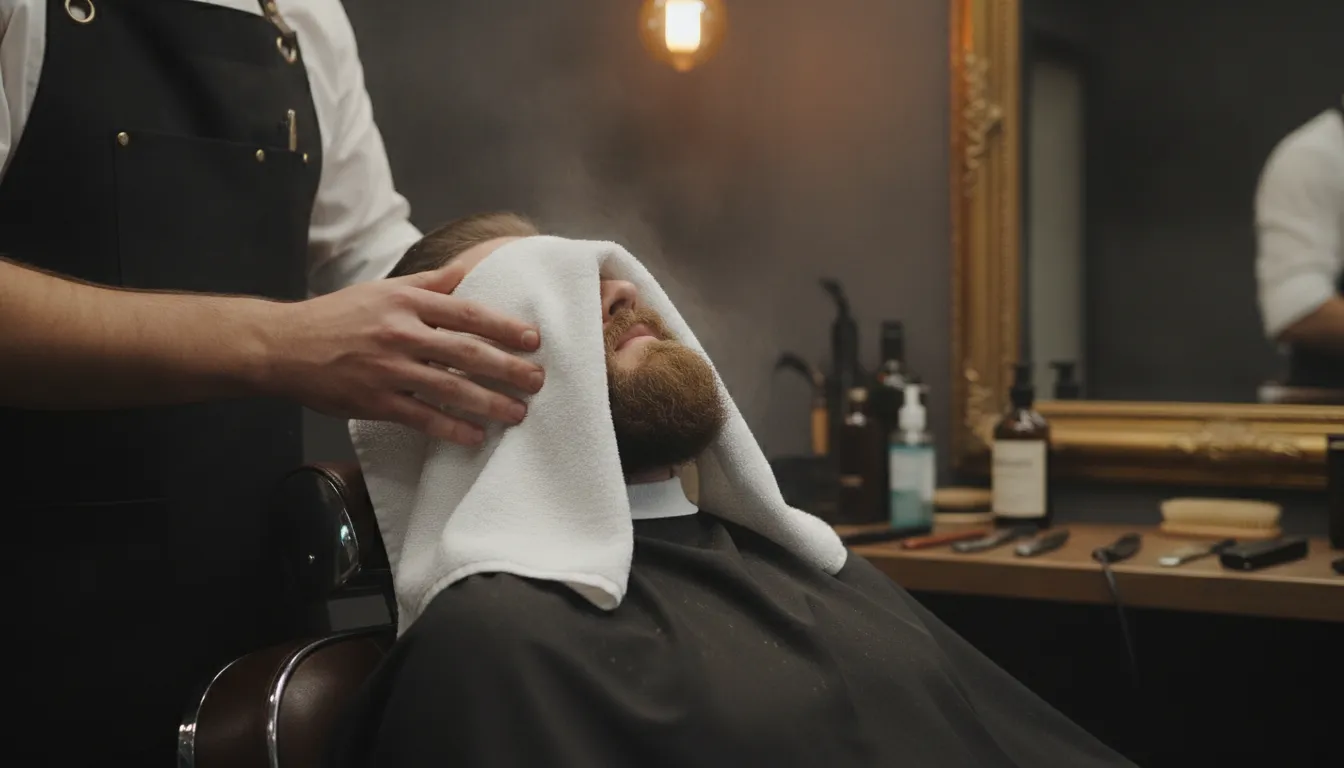
Start with a clean base to keep your pores clear. Use a mild wash to clean your face before you pick up a razor. A non-comedogenic cleanser is best because it will not clog your pores. Clogged pores can make bumps worse for many people. The American Academy of Dermatology says that washing first helps remove dirt and oil. This step keeps your skin healthy and ready for a close, safe shave.
Soft hair is much easier for a blade to cut than dry, stiff hair. Heat from a warm shower or a hot towel opens your pores and softens the hair. This reduces the drag and tugging that leads to skin damage. To get the best results, use a hot towel for two to three minutes before you start. This simple barber trick makes your hair less resistant to the razor.
Applying cream with your hands often flattens the hair against your skin. A shave brush works the cream under the hair to lift it up. This ensures the blade cuts the hair cleanly instead of at a sharp angle. This small change in your routine can stop hair from growing back into your skin. It is a pro move that every barber uses to give a smooth, bump-free shave.
Answer: The most effective shaving technique to prevent razor bumps is to shave with the grain using a light touch and a sharp blade. Never press the razor into your skin. Rinse the blade after every two or three strokes. Map your hair growth direction before each shave, especially on the neck where growth patterns can change, and never stretch the skin too tight while shaving.
How you move your blade across your face is the main way to stop bumps. Poor form can pull hairs or cut them too deep, making it easy for the hair to curl back into the skin. You must use a light touch and follow the way your hair grows to keep your skin clear.
The first rule of a clean shave is to work with the grain. This means you move the blade in the same direction the hair grows. Shaving this way does not cut as close as going against the grain, but it is much safer. Going against the grain pulls the hair out of the skin before it is cut, which leads to the hair falling back under the skin line. This is how razor bumps start.
You must map your face to find which way the hair points. Most hair on the face grows down, but the neck can be tricky. Hair often flips and grows up or to the side near the jaw. If you have thick or curly hair, your risk for bumps is higher because the hair has a natural curve. Check your growth path before every shave to stay safe.
Do not push your razor into your skin. Heavy force does not give a better shave and only hurts your skin. Let the weight of the tool do the work for you. Using a dull blade is a major cause of bumps because it tugs at the hair. You should use a sharp barber razor to get a clean cut with one pass. High-quality steel stays sharp and cuts without pulling.
Keep your blade clean as you work. Hair and cream build up and make it hard to cut. Rinse your razor every few strokes to keep it clear. Also, do not pull your skin too tight while you shave. Pulling the skin flat can make the hair pop back under the surface once you let go.
Summary: Choosing the right tools is critical for preventing razor bumps. Single-blade razors and foil shavers pose a lower bump risk than multi-blade cartridges. Dull blades are a leading cause of skin irritation and trapped hairs. Electric foil shavers cut above the skin line, making them the safest option for chronic bump sufferers.
Your choice of gear is the first step in learning how to prevent razor bumps before you start your shave. Many men use the wrong tools for their hair type. If you have thick or curly hair, your tools must work with your skin.
| Razor Type | Cut Level | Bump Risk | Best For |
|---|---|---|---|
| Multi-blade cartridge | Very close | High | Coarse hair with low bump history |
| Single-blade safety | Close | Moderate | Most skin types with good prep |
| Foil shaver (electric) | Above skin | Low | Chronic bump sufferers |
| Straight razor | Very close | Moderate | Experienced users with steady hands |
A sharp edge is a must for any safe shave. When a blade gets dull, it starts to tug and pull at the hair instead of cutting cleanly. This tugging causes stress to the hair follicle and makes the hair more likely to curl back into the skin. Most professional barbers recommend using a fresh blade for every shave. A dull blade is a main cause of skin pain and bumps.
Good tools need care to work well. Keep your blades clean and dry to stop rust and germs from growing. Using quality barber razors gives you more control over the cut angle. No matter which tool you pick, make sure it feels solid in your hand and has a sharp edge. It is best to buy gear that lasts and keeps your skin clear.
Answer: After shaving, rinse with cold water or apply a cold towel for one minute to close the follicles and reduce inflammation. Use an alum block as a mild antiseptic to calm the skin. Apply an alcohol-free balm with aloe vera or chamomile to restore the skin barrier. Avoid alcohol-based aftershaves that strip natural oils and dry out the skin.
The way you treat your skin after the blade stops is just as important as the shave itself. Good post-shave steps help the skin heal and stop hairs from curling back into the pores. Doing this simple routine will keep your face smooth and free from long-term scars.
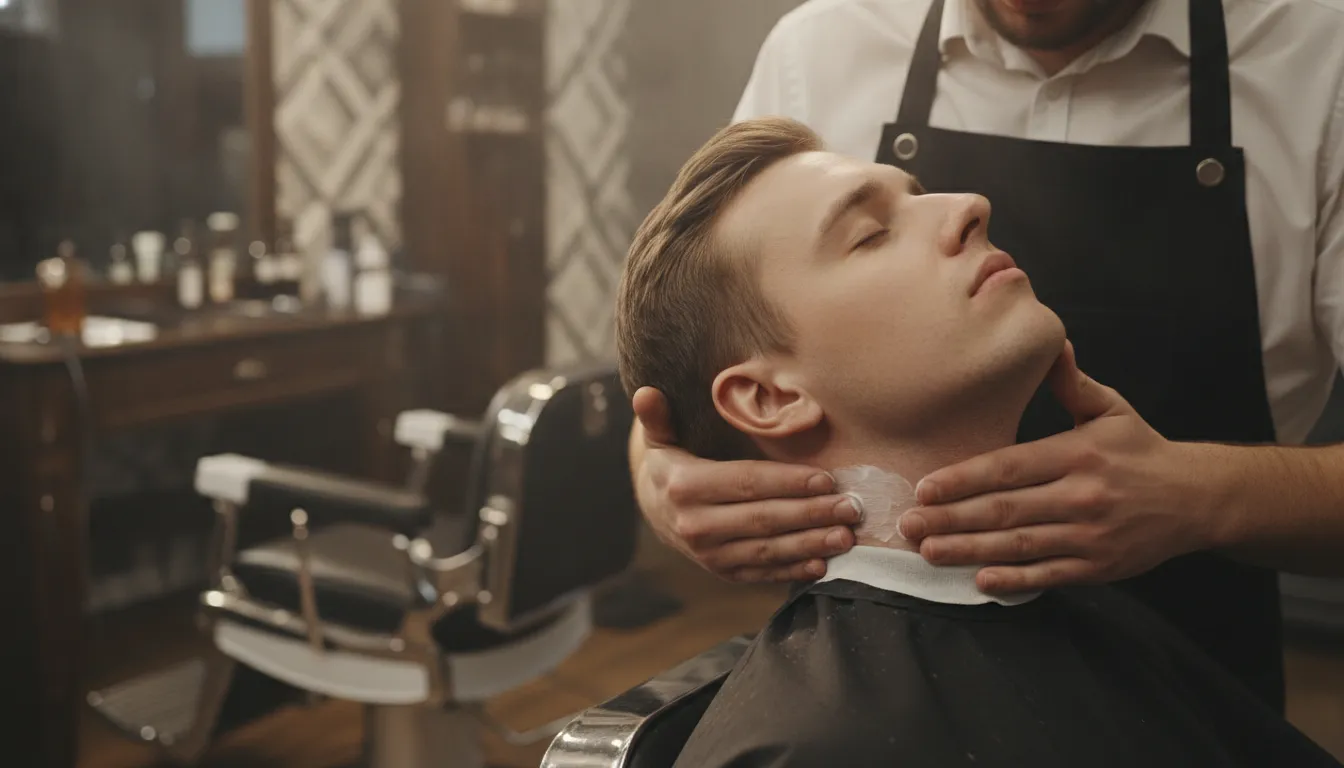
Start by rinsing your face with cold water or using a cold towel right away. This step helps to close your follicles and calm the skin. Cold treatment reduces blood flow to the area, which helps stop swelling before it starts. It also helps the skin tighten up, which keeps newly cut hairs from sinking below the surface.
An alum block is a classic barber tool that every man should have in his kit. This pure stone acts as a mild toner and cleaner for the skin. Run the wet block over your face to kill germs and close any tiny nicks. It gives a slight sting that tells you where the skin is most sore. After you use the block, wait a few seconds and then rinse your face with fresh water.
You must avoid aftershaves that contain alcohol. These products strip away the natural oils your skin needs to stay healthy. Dry skin becomes tight and hard, which makes it easier for hairs to get stuck and turn into bumps. Use a balm that contains aloe vera or chamomile to soothe the skin. These ingredients give the skin the moisture it needs to stay soft and clear.
Using a good moisturizer helps to restore the skin's protective barrier. This barrier is key to stopping razor bumps because it keeps the skin soft. When you are choosing the right aftershave, look for items that focus on repair rather than just scent.
Answer: If you see active razor bumps forming, stop shaving the affected area immediately and wait at least 48 hours before your next shave. This break allows the hair to grow past the skin line, preventing it from curling back into the follicle. Shaving over active bumps only deepens the irritation and can cause permanent scarring or hyperpigmentation.
Pushing through a shave when you have bumps will only lead to deeper grooves and lasting marks on your face. Your skin needs time to heal from the stress of the blade. Waiting at least 48 hours allows the hair to grow past the skin line, which stops it from going back into the follicle.
If bumps persist despite proper technique, consider switching to an electric foil shaver for a few weeks to let your skin fully recover. You can return to blade shaving once the bumps have cleared and your skin feels smooth again. Many chronic bump sufferers find that alternating between a blade and an electric shaver provides the best long-term results without sacrificing a clean look.
Razor bumps often take a day or two to show up because they are caused by hair regrowth. After you shave, the sharp hair tip needs time to grow long enough to curl back toward the skin. According to Verywell Health, inflammation starts once the hair tip re-enters the follicle or skin surface. This delayed reaction is a key sign that you are dealing with ingrown hairs rather than immediate razor burn.
While Vaseline can create a thick barrier, it is not the best choice for preventing bumps. Petroleum jelly is heavy and may clog your pores or trap bacteria, which can make inflammation worse. It is better to use a non-comedogenic moisturizer or an alcohol-free balm. These products hydrate the skin without blocking follicles. As noted by the American Academy of Dermatology, keeping your skin clear of clogs is vital for preventing pseudofolliculitis barbae.
You should never pop or pick at razor bumps. Squeezing these bumps can push the trapped hair deeper into the skin and introduce bacteria to the area. This often leads to infections, permanent scarring, or dark spots called hyperpigmentation. Instead of picking, apply a warm compress to the area to help soften the skin and encourage the hair to release naturally. If the bumps do not clear, stop shaving and let the hair grow for at least 48 hours.
Yes, using cold water is a helpful final step in your shave routine. While warm water opens follicles for the shave, cold water helps them close afterward. Applying a cold towel to your face right after you finish can soothe the skin and reduce blood flow to the area. This helps stop the inflammatory response before it starts. For the best results, follow this with an alum block to act as a mild antiseptic and further calm the skin.
You should not shave every day if you are prone to razor bumps. Shaving too often over irritated skin causes more damage and prevents existing bumps from healing. Experts suggest waiting at least 48 hours between shaves to give your skin time to recover. This prevents the hair from retreating below the skin line and becoming trapped.
Ignoring proper shaving technique can lead to chronic skin damage and permanent scarring that ruins your look. Starting a professional routine now ensures your skin stays clear and healthy for years to come. You can get the tools you need today to stop irritation before it begins.
Taking action now prevents the pain of constant razor bumps while keeping your skin smooth and clean. Do not wait for the next breakout to change how you shave. Every day you wait is another chance for new bumps to form and leave marks on your face.
Get your professional shaving kit today
Buybarber stocks the razors, creams, balms, and tools that professional barbers trust. Upgrade your routine and say goodbye to razor bumps for good.
Shop Now at Buybarber

