
Barber Brush Guide for Fades, Cleaning, and Styling
, by Buy Barber , 21 min reading time
, by Buy Barber , 21 min reading time
Find the right barber brush for fades, cleaning, and styling. Shop fade brushes, neck dusters, and professional barber tools at BuyBarber.
A high-grade barber brush keeps your station clean and your fades sharp. Loose hair can hide blend lines, irritate a client's neck, or collect inside your tools. Matching the brush to the job helps you work faster and finish with more control.
Shop a professional barber fade brush at BuyBarber
Choose a barber brush by task first: soft, compact bristles for clearing fades; long, gentle bristles for dusting skin; stiff bristles for cleaning tools; and controlled tension for styling. Then compare firmness, shape, grip, sanitation needs, and how the brush feels during repeated use.
This guide breaks down the main brush categories, how to use them, and the signs that it is time for a replacement.
Every barber needs a good set of tools to work fast and well. A barber brush is more than just a simple tool. It helps you see your work, keeps your shop clean, and makes your clients feel good. There are many types of barber brushes for each task in the shop.
The fade brush is a must for any sharp cut. When you work on a fade, tiny hair bits hide your lines. A good brush clears these bits away fast. This lets you see the skin and hair meet. This is vital to get a smooth and clean look for your client. Most fade brushes use soft but firm bristles that grab loose hair without scratching the skin.
You should choose the best barber brush for fades that fits your hand well. A small brush with a loop or handle is easy to hold while you use your clippers. Using a brush during the cut saves time and helps you avoid mistakes. It keeps your workspace clear so you can focus on the art of the fade.
Neck dusters have one job: to keep the client clean and happy. After a cut, loose hair on the neck and face can itch. These brushes have long and soft bristles. They sweep away hair from the skin and clothes with ease. Soft bristles are best because they do not hurt or turn the skin red. This is key for client comfort.
Keeping these brushes clean is also a big part of shop safety. Studies show that clean barber tools help stop the spread of germs. You must wash and treat your brushes to keep your clients safe. A dirty brush can hold tiny bugs or skin bits that you do not want to pass on. Good hygiene makes you a pro that people trust.
Some brushes are not for hair at all. Clipper brushes have stiff bristles made to clean your blades. Hair and oil can build up inside your clippers over time. This makes the blades dull and hot. Using a small, stiff brush after each cut keeps your tools in top shape. It helps your clippers last longer and cut better every time.
Styling brushes are also part of the mix. These often use boar bristles to move body oils through the hair. This makes the hair look healthy and shine. Choosing the right one for each hair type helps you give the best style. It also helps you manage the hair as you dry it or add product. This makes your work look its best.
| Brush Type. | Main Job. | Bristle Texture. |
|---|---|---|
| Fade Brush. | Clear hair to see fade lines. | Firm but soft. |
| Neck Duster. | Remove hair from skin. | Soft and long. |
| Clipper Brush. | Clean hair out of tools. | Stiff and short. |
| Boar Brush. | Add shine and style hair. | Firm and soft. |
| Palm Brush. | Brush waves or short cuts. | Medium to firm. |
Each tool in your kit has a place. Using a neck duster for your clippers will ruin the soft hair. Using a stiff clipper brush on a client's neck will cause pain. Take time to pick the right brush for each step of the cut. This small change will help you work better and keep your clients coming back for more.
A good barber brush is a key tool in any shop. It is not just for cleaning up at the end of a cut. It helps you see your work as you go. To find the right fit, you must think about your daily tasks. Some brushes are for the skin, while others clean your tools. The choice of bristles and shape will change how well you work and how the client feels.
Firmness is the first thing to check when you buy a brush. For fade work, you need bristles that can sweep away hair fast. This helps you see the fade line so you can stay on track. If the bristles are too soft or too hard, they will not work well or might even hurt the skin.
Most pros keep a few types of brushes at their station to handle different needs:
According to a study on hairbrush types and function, picking the right tool depends on the hair type and the job. Many barbers prefer a mix of boar hair and nylon. Boar hair is good for moving natural oils and holding hair. Nylon strands add strength and help the brush keep its shape. This blend gives you the best of both worlds for daily shop use.
The shape of the brush handle affects how it feels in your hand. Most fade brushes have a small design that fits in your palm. This lets you hold the brush while you use your clippers. A best barber brush for fades should fit your hand well so you do not have to put it down. This keeps your speed up during a busy day.
Think about the weight and the grip of the tool. A brush that is too heavy can make your hand tired after a few hours. Wood handles look classic and feel warm, but plastic handles are often lighter. Some brushes have loops or straps. These help you keep the tool secure as you move around the chair. Choosing a shape that fits your workflow will help you stay fast and precise.
Every brush you use must stay clean. Hair, skin cells, and oils can build up in the bristles. If you do not wash your tools, you might spread germs. A report on barbershop hygiene standards shows that cleaning your gear reduces the risk of skin issues. This is vital for keeping your shop safe and your clients happy.
Look for brushes with plastic or sealed wood handles. These materials do not soak up water or soap. This makes them easy to dunk in a cleaning solution. Check your bristles often for wear and tear. If they start to fall out or get sharp, it is time to buy a new one. A clean brush shows your clients that you care about their health as much as their style.
At BuyBarber.com, we know that pros need tools that last. We offer wholesale prices on all our gear to help you grow your business. You can join our Trade Program to get the best deals on top brands. Whether you need a soft duster or a firm fade brush, we have the right fit for your shop. Our team is here to help you find the best tools for your craft.
A good fade brush is a key part of your kit. It helps you see how the hair changes as you work. Without it, loose hair can hide the lines you are trying to blend.
Using a professional barber brush lets you keep the work spot clean for every clip. This makes the fading process faster and much more precise.
Before you start a cut, check your tools. Your brushes and clipper blades must be clean and safe. This helps stop the spread of germs between clients.
Using a dirty brush can lead to skin problems. Proper tool disinfection is a vital step for every shop to follow. It keeps your clients safe and your workspace professional.
A soft brush is best for skin. It removes hair without causing red marks. Firmer brushes are good for cleaning tools, but they might hurt a client.
Always pick the right tool for the job. This keeps the client happy and lets you do your best work.
Using a barber brush the right way takes practice. You should move the brush in sync with your clippers. This keeps the path clear for the next pass. Follow these steps to get a smooth blend every time you cut hair.
Not every brush is the same. Some have boar hair, while others use nylon. For most fades, a soft brush with a handle is easiest to hold.
You can find the best barber brush for fades to suit your own style. A good grip helps you move quickly without dropping the tool.
Think about how the brush feels on the skin. You want to be firm but gentle. Most pros keep a few types of brushes at their station.
If you want to save money on tools, look into the Trade Program at BuyBarber. Real pros get wholesale prices on the top brands in the world. This helps you get high-quality gear without overspending.
Every barber needs more than one brush to work well. You use a cleaning brush at different times than you use a fade brush or a neck duster. Using the right tool for each job helps you stay fast and keeps your clients safe. It also helps you choose the right barber brush for your daily needs.
You should use a cleaning brush to remove hair from your clippers and trimmers after every cut. Small hair bits can build up inside your blades and slow them down. A small, stiff professional barber brush reaches deep into the blade teeth to clear out hair and dust. Keeping your tools free of hair helps your blades last longer and cut more smoothly. This step is a key part of your tool care routine.
You must keep your work area clean to stop the spread of germs. Using the same brush for both tools and skin is not safe. Clean tools help reduce the risk of barbershop-acquired infections for your guests. Use a soft brush for the skin and a stiff one for your tools. This keeps your barber brush tools in top shape and your clients happy.
A cleaning brush is also vital when you work on a fade. You need to brush away loose hair so you can see the blend clearly. Brushing the scalp helps you spot any dark spots or lines that need more work. A soft-bristled brush is best for this because it does not hurt the skin. When you use the right brush, you can work faster and make the cut look better for your client.
Keeping a barber brush clean is a key part of shop safety. Tools that touch the skin can carry germs, fungi, or small pests. Proper care helps stop the spread of skin issues between clients. Expert shops use a set path to clean each tool after use. Following these steps keeps your kit in top shape and protects everyone in your chair.
The first step is to get rid of loose hair stuck in the bristles. You can use a small comb or a specialized cleaning tool to pull out hair from the base. This is vital for a professional barber brush because hair buildup can trap oils and skin cells. Clear the brush over a trash bin after every cut to keep it ready for the next client.
Once the hair is gone, you should wash the bristles. Use warm water and a small dab of mild soap or hair shampoo. Dip the bristles into the water but try not to soak the handle, especially if it is made of wood. Swirl the brush to work up a lather and rinse it well. This simple wash helps remove scalp oils and product residue that plain water cannot touch. You can choose the right barber brush for your station by looking for models that handle frequent washing well.
Washing gets rid of dirt, but sanitizing kills the germs you cannot see. Use a spray or dip that is safe for salon tools. It is best to check the maker's guide to see which chemicals are safe for your specific brush. High-quality tools like the best barber brush for fades need the right care to last. Studies show that disinfection of reusable equipment is a key way to lower the risk of shop-linked infections, and learning how to disinfect barber tools correctly is essential for every professional station.
After you sanitize the brush, it must dry all the way through. Lay it on a clean towel with the bristles facing down. This stops water from dripping into the handle, which can cause wood to rot or glue to fail. Never store a damp brush in a closed drawer or box, as this can lead to mold. A dry, clean brush works better and feels nicer on the client's skin. Good tool habits show that you care about your craft and the health of the people you serve.
A good barber brush for styling is not like a fade brush. Fade brushes clear hair from the skin. Styling brushes help shape the look. You use them during the last steps of the cut. They help you place hair, add lift, or smooth down the top. Picking the right one helps you finish your work with speed.
The bristles on a brush matter for the final look. Many pros like boar hair brushes because they move oils through the hair. This gives the hair a nice shine without using too much grease. Soft bristles are best for thin hair. If your client has thick hair, you may need a brush with firm bristles to get through knots.
You can also find brushes with plastic pins. These are good for clearing knots or making big lift. When you choose the right barber brush, you make your work easy. Stiff bristles give you more control for tight looks. Soft ones are better for loose styles that need a light touch.
Using a brush with pomade or wax can change how you work. A vent brush is good when you use a hair dryer to set a style. The holes let air flow through. This helps the hair dry fast. This is a key part of final work for many new cuts. You want a tool that can handle heat and wax without getting dirty.
If you use a heavy wax, a round brush can help you lift the hair at the root. This adds height that lasts all day. A pro barber brush is built to last through many client turns. It should be easy to clean after you use it with sticky wax. Keeping your tools clean helps the shop stay safe.
You will hold your brush for many hours each day. This is why the handle shape and weight are so important. A good handle should feel firm in your hand. It should not slip when wet. Wood handles look old-school and offer a solid grip. Plastic grips might be lighter and easy to wash.
Think about the size of the brush too. A small palm brush gives you close control for short hair. A long handle is better for long hair. Look for a style that fits your hand size. Using the right barber brush can prevent hand pain after a long shift.
Every tool in a barber kit has a short life. Your barber brush works hard to clear away hair and keep your fades clean. Over time, the bristles wear down and the handle may crack.
Knowing when to get a new one helps you work faster. It also keeps your clients safe and at ease during their cut.
One of the first things you will notice is shedding. If your best barber brush for fades loses hair while you work, it is time for a change.
These loose bristles can get stuck in your clippers or stay on the client's skin. This makes it hard to see the change in a fade. It can also cause a mess that slows down your work.
Damaged or frayed bristles are another clear sign. When the ends of the hair become rough, they can scratch the skin. A soft brush should feel smooth and gentle. If a client says it feels prickly, check your brush.
Sharp or bent bristles no longer move hair well. Buying a fresh brush ensures you get a clean sweep every time you use it.
A good brush should hold its shape to reach into every tight spot. If the bristles start to fan out or lean to one side, the brush is worn.
Loss of shape means you have to press harder to clear hair. This extra pressure can hurt the skin. It also makes your work less neat. When the brush no longer stays firm, it cannot do its job well.
You might also find that the brush is hard to clean. Hair and oils can build up deep in the base of the bristles.
If you cannot get the brush fully clean, it becomes a health risk. Improving hygiene standards by getting new tools helps stop the spread of germs. If your brush still looks dirty after a deep wash, you should throw it away and start fresh.
Common signs your brush needs a rest include:
The handle is just as important as the bristles. Cracks in a wood or plastic handle can trap water and soap. This leads to mold or germs growing inside the cracks.
A broken handle can also pinch your hand or the client's skin. If you see any splits or deep marks, it is time to choose the right barber brush for your shop.
Keeping your gear in top shape shows your clients that you care about quality. A new brush helps you maintain an expert look.
It ensures that every fade you cut is as clean as possible. While you can clean and fix some tools, a worn brush is usually best to replace. Buying a new one is a small cost that keeps your craft at its best.
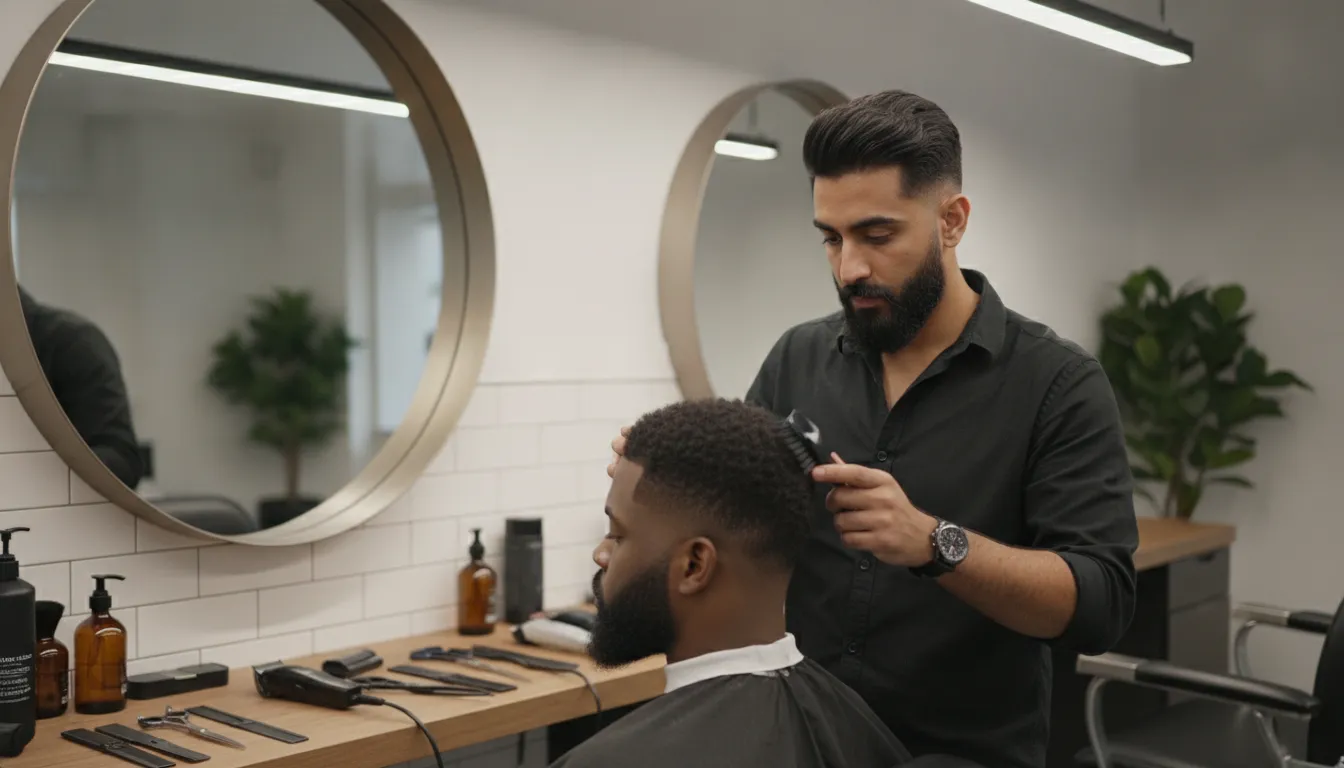
Professional barbers use many types of brushes to get precise results. Most rely on a fade brush with soft bristles to clear loose hair from the scalp. They also use club brushes for styling and duster brushes for the neck. As shown by academic research, choosing the right tool depends on the hair type and each grooming task. These tools help maintain a clean workspace and ensure every cut looks sharp.
A boar bristle barber brush is a useful tool for styling and smoothing hair. Natural boar hair helps spread oils from the scalp down the hair shaft. This process adds shine and keeps hair healthy. Barbers often use these brushes to lay down hair during a fade or to style a classic pompadour. Firm bristles provide the tension needed to control thick hair without causing damage or pulling on the skin.
You should clean your barber brush daily to prevent the spread of germs. Start by removing all hair with a comb. Then, wash the bristles in warm soapy water or use a special tool spray. According to academic studies, proper disinfection of tools is vital to stop the growth of bacteria and fungi. Always let the brush air dry with the bristles facing down to keep the wood handle from rotting.
The best choice depends on your hair type and style. Soft brushes work best for people with fine hair or sensitive skin because they do not scratch. They are also ideal for clearing hair during fades. Medium brushes provide more pull and are better for thick or curly hair. A medium brush helps create waves and keeps longer styles in place. Most barbers keep both on hand to serve every client who walks into the shop.
Using the wrong brush for fades can slow you down and leave your cuts looking messy, which leads to poor service and upset clients. Picking a top tool today helps you work faster and keeps your station clean for every person in your chair, helping you get better results now. You will see your skills grow and your shop build a great name when you use the right hair brush to improve your daily work.
Ready to shop? Shop professional barber brushes and accessories to find the best tools for your shop, upgrade your kit, and give your clients the look they want every single time you work at your shop.


