

Clipper Oil vs Blade Coolant: Barber Guide
, by Buy Barber , 21 min reading time
, by Buy Barber , 21 min reading time
Compare clipper oil vs blade coolant, when each belongs in your routine, and how to protect professional clipper blades during busy shifts.
Friction and heat can ruin a professional clipper blade during a busy shift. Constant metal-on-metal contact causes wear that dulls your tools and can make a blade uncomfortable against a client's skin. The right clipper oil vs blade coolant choice depends on whether the blade needs lasting lubrication or fast heat relief.
Shop professional clipper oil for your blade-care routine.
The clipper oil vs blade coolant choice depends on if you need to keep your blades slick for hours or just want to drop heat fast. Clipper oil is a thin clear liquid built to coat metal sides and stop the rub between moving parts for a very long stretch of time. Blade coolant is a spray that brings the heat of the steel down fast, but it dries fast and lacks the deep slick feel of oil. Barbers should use coolant for a quick fix during a cut and apply oil before and after each shift to keep the tool motor very quiet. Based on this guide to clipper care, coolants are for cooling and should not be a full swap for oil.
Barbers must keep their tools in top shape to give the best cuts. Choosing between clipper oil and blade coolant is a key part of tool care. Both products help your clippers run well. But they do other jobs for your gear. One keeps parts moving smoothly. The other stops them from getting too hot during use. Knowing when to use each will help your blades last a long time.
Clipper oil is a thin, clear fluid made for metal blades. It lowers the rub between the moving parts. This stops wear and tear on the motor and the blade teeth. Without oil, the metal can grind and get dull fast.
Most pros say you should oil your blades every few cuts to keep them sharp and smooth. You can find high-quality clipper blades that stay sharp longer with the right care. This keeps your tools ready for any client who sits in your chair.
Clipper oil is made to oil moving blade surfaces. It creates a slick layer that lets the top blade slide over the bottom blade with ease. This lowers the strain on your clipper motor so it does not burn out. Using oil also prevents rust from forming on the steel after a long day of work. It is a slow but long-lasting way to protect your tools from damage.
Blade coolant is usually a spray that you use while the clipper is running. It is meant to bring blade heat down fast. When you have a busy day and many clients, your blades can get very hot to the touch. A quick spray of coolant pulls that heat away in just a few seconds.
This keeps the client safe from burns and keeps the hair cutting cleanly without any pulling. It is a key tool for a busy shop. Coolants dry up fast and should not simply stand in for your oil. While they might feel wet at first, the fluid turns to gas and leaves the metal dry.
This means the blades will stop being slick once the coolant is gone. You must still use oil even if you use a spray many times a day. If you only use spray, your blades might grind and heat up even faster in the long run.
| Feature | Clipper Oil | Blade Coolant |
|---|---|---|
| Main Goal | Long-term slickness | Fast heat relief |
| How to use | Drops from a bottle | Spray from a can |
| How long it lasts | Lasts for many cuts | Fades in minutes |
| Main Benefit | Prevents metal wear | Protects skin from heat |
For the best results, use both products in your daily routine. Start your day with a few drops of oil on the blade teeth. During a long cut, use a spray to keep the blades cool and clean. This balance keeps your gear in peak form for every client who walks in.
After you clean the tool at the end of the day, add oil again to keep it safe overnight. This keeps the steel from rusting while you are away. For more details on specific brands, check out our guide on Andis Cool Care vs Wahl Clipper Oil. You can also browse professional barber supplies for brushes, cleaners, and other workstation essentials.
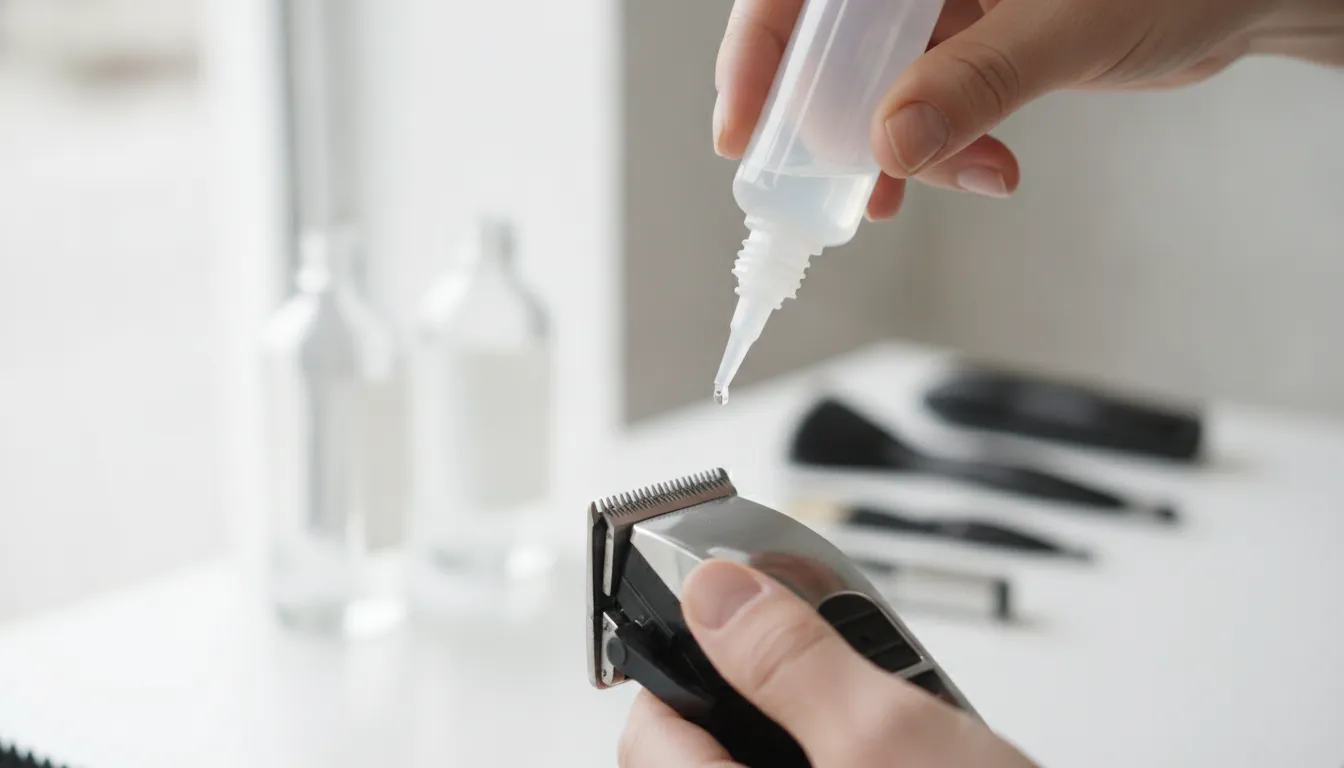
Clipper oil is a thin, clear liquid that keeps your tools in top shape. When you turn on your clippers, the metal blades move back and forth at high speeds. This makes a lot of heat and rubbing. Without a good coating, the metal parts can wear down or get stuck. Clipper oil is made to coat these moving blade parts so they slide with ease. It fills in the tiny pits in the metal to make each part smooth. This cuts down on the work the motor has to do. If the motor does not have to pull as hard, your tool will last much longer.
Rubbing metal pieces together makes a lot of heat. If you have felt a hot blade against a neck, you know it can hurt the client. The main job of oil is to lower this heat. By adding a thin layer between the blades, the parts do not touch as much. This stops the metal from getting too hot during a long cut. It also stops the blades from dulling too fast. Sharp blades need to stay cool to keep their edge. When you use oil, you help the blades stay sharp for many more cuts.
A well-oiled clipper also runs quiet and smooth. If your tool starts to make a loud grinding noise, it often means the metal is dry. Dry blades can pull on hair instead of cutting it. This causes pain for your clients and can leave marks on the skin. Adding just a few drops can fix this right away. It makes the cut feel better for the client and easier for you. You will see the tool moves better in your hand when it has good care.
Many barbers ask about the choice of clipper oil vs blade coolant for their shop. While they may seem like the same thing, they have very different jobs. Blade coolant is made to bring the heat of the blade down fast. It is great when the tool gets too hot to touch in the middle of a cut. But coolant has one big flaw. Most coolants dry up fast and do not stay on the blades. They give quick relief but do not provide the long-term oiling your tools need.
If you only use coolant, your blades will soon become dry and stiff. You should not use coolant to replace oil. Oil stays on the metal much longer and gives a deeper kind of care. The best way is to use both tools as they were meant to be used. Use coolant to chill the metal during a busy day, but always come back to oil for lasting care. Oiling after you use a spray can help replace the coating that the spray might have washed away. This keeps your tools ready for years of daily use.
One common mistake is using too much oil. You only need two or three drops on the blades. If you use too much, it can leak into the motor or catch hair and dirt. This can cause a mess and might even break the tool over time. Here are a few things to keep in mind when oiling:
Another mistake is waiting too long to oil. You should oil your blades often, not just when they start to make noise. Many pros oil their tools after every few cuts. This keeps the friction low and the blades cool all day long. If you wait until you hear grinding, some wear has already happened to the metal. Proper care takes only a few seconds but can save you a lot of money on new blades.
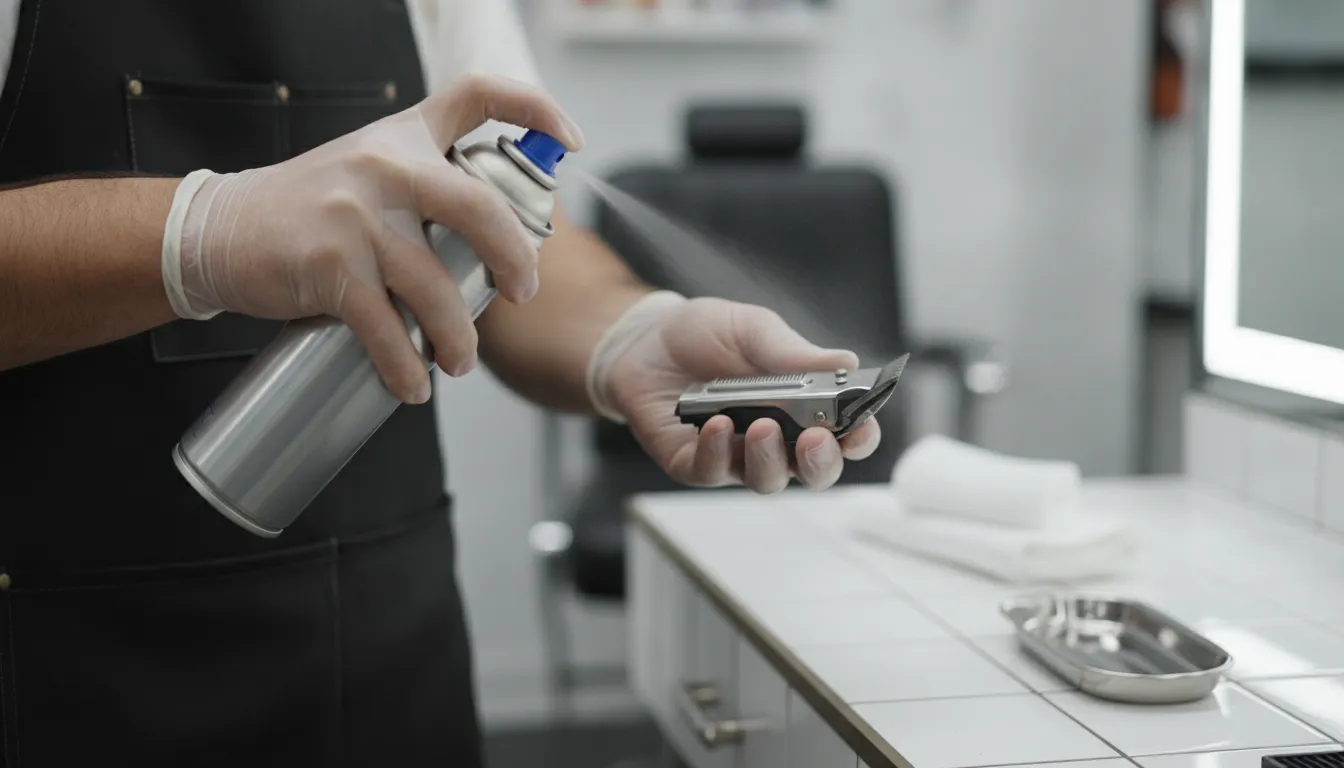
Blade coolant is a key tool for any barber who uses clippers for a long time.
When you run pro clippers, the metal blades rub close at high speeds. This rubbing makes heat. After a few minutes, the blades can get too hot to touch. This is where coolant helps. It is a spray that cools the metal down in seconds. Using it helps you keep your tools safe and easy to use for your clients.The short answer is no. Both products help your tools, but they do other jobs. A busy barber might want to save time by using only one spray. But using blade coolant as a total way to replace clipper oil can lead to stuck blades and loud motors.
Oil and coolant work as a team to keep your gear in top shape. To get the best results, you need to know when to use each one. This ensures your tools stay sharp and your clients stay happy.
Clipper oil is made to oil the moving parts of your blades. It creates a thin layer to guard the metal teeth. This layer stops heat and keeps the blades sliding smooth. Without oil, the metal rubs together and gets too hot.
Regular oiling helps your professional clippers last much longer. It also keeps the motor from working too hard by cutting down on drag. This simple step can save you from buying new tools every year.
You should apply oil every few haircuts to keep the surface slick. Just a few drops on the corners and the middle of the blade will do the trick. Most shop owners tell their staff to oil tools at least once a day.
This simple step keeps the motor cool and quiet. It also stops rust from forming on the steel if the shop is damp. Good oiling is the most vital part of tool care for any barber or student.
Blade coolant is a special spray that brings the heat down fast. It is great for a shop where you cut hair all day long. When your blades get hot, a quick spray feels good to the client. It also acts as a light cleaner to blow away hair and dust.
But coolant is very thin and does not have the same base as a thick oil. It is built for speed, not for long-term care. You should use it to manage heat during a long cut.
The main issue is that coolants dry up fast and do not stay on the metal for long. Because they dry so quickly, they cannot oil the metal as well as real oil does.
If you only use coolant, your blades will soon feel dry and stiff. This can cause the blades to pull hair or even stop moving mid-cut. Over time, the lack of oil will wear down the metal and ruin your high-cost tools.
The best way to care for your tools is to use both products in a smart way. Think of coolant as a quick fix and oil as the long-term cure. Use coolant during a cut if the metal feels warm to the touch.
It will cool the blade so you can finish the job with no wait. It also helps to keep the workspace clean between clients. But it is not a full fix for the heavy guard of real oil.
Once the cut is over and you have cleaned the blade, you must still use oil. Apply oil after you use a brush to clear out the hair bits. This ensures the metal stays slick and ready for the next person in your chair.
For more tips on choosing the right product, check out our guide on Andis Cool Care vs Wahl Clipper Oil. Keeping a strict routine will save you money on new blades. It also keeps your clients happy with a smooth, painless cut. Review BuyBarber's shipping and returns information before ordering supplies for your station.
Keeping your tools in top shape is the best way to make them last. A regular habit saves you money and keeps your cuts clean. Many pros wonder about the choice of clipper oil vs blade coolant during a busy day. Both play a role, but they do different jobs. You need to know when to reach for each one to keep your blades from getting dull or hot.
Proper care stops rust and keeps the metal from wearing down. When you use your tools all day, bits of hair and skin get stuck between the teeth. This grit creates heat, which makes the motor work harder. Over time, a lack of care will ruin even the best pro clippers on the market. A quick clean after every cut is the mark of a true pro who cares about their craft.
You might feel like you are too busy to stop, but a small pause now saves time later. Dull blades pull hair and hurt your clients. They also get hot fast, which can burn thin skin. By following a set path each day, you make sure your gear is always ready for the next chair. It is not just about the tools; it is about the level of your work.
Taking care of your blades does not have to be hard. You can do most of these steps in just a few minutes between clients. It is best to set up a small space with all your supplies close at hand. This keeps the flow of your shop moving while you protect your gear.
One of the most common mistakes is using the wrong product at the wrong time. In the debate of clipper oil vs blade coolant, you must remember that coolant is not a fix for a lack of oil. Coolant helps you work faster by dropping the heat, but it does not give the deep glide that oil provides. You should use oil at the start of the day and after deep cleans to keep the metal safe.
Use coolant when you have a long cut and the tool gets warm. It is a great way to stay on track without having to switch to a new set of clippers. But once the cut is done, you still need to go back and add oil. This two step path keeps your blades cool, sharp, and ready for years of use.
When you use sprays or oils, always keep the tool pointed down. This stops any liquid from running into the motor or the handle. Also, make sure to read the label on every can or bottle. Each brand has its own rules for how long a cleaner needs to sit to work well. Taking these extra steps shows your clients that you are a pro. They will see that you care about their safety and the tools you use. By making these steps a habit, you will find that your day goes more smoothly and your gear lasts much longer.
Blade coolant should not replace clipper oil for long term use. Coolant helps to bring blade heat down fast during a busy day. However, these liquids dry up fast and do not keep blades slick for long. According to BuyBarber, oil is still needed to grease the moving parts and stop wear. Using only coolant can lead to heat that ruins your tools over time.
Most pros need to oil their blades after every few cuts to keep them running well. You should put a few drops of oil on the teeth and sides of the blades. This thin layer of oil stops metal from rubbing on metal. If you do not oil them enough, the blades will get hot and dull. This can pull hair and hurt your clients. Check your tool guide for the best plan for your exact clipper model.
Yes, you should oil your blades after you use a cooling spray. Cooling sprays are great for a quick fix when blades get hot. But the spray dries up fast and leaves the metal dry. To keep the blades moving well, you must add clipper oil back to the tool. This helps the blades stay sharp and cool for the rest of your shift without causing extra wear or damage.
You can cool a hot blade by using a cooling spray or by swapping it for a fresh blade. A cooling spray works well to drop the heat in seconds so you can finish a cut. You can also press the blades against a cold metal surface to draw out the heat. Never dip hot blades in water as this can cause rust and ruin the motor. Always make sure to add oil again after the blades cool down.
Running your clippers without the right oil or coolant leads to high heat and dull blades which causes your tools to wear out too fast. If you do not care for your gear today, you will face the cost of new clipper blades and lost time with your clients tomorrow. Taking care of your tools now ensures smooth cuts and keeps your shop running every single day without the stress of broken gear or slow work. Using the best products for your gear will help you avoid the risk of heat damage while also saving you money on tool repairs.
Ready to shop clipper oil? Shop clipper oil to keep your tools cool and sharp for the best cuts on every client you serve.


